CSU professors Sarah Perry and Robert Gudmestad named Colorado Book Awards finalists
CSU faculty authors Sarah Perry and Robert Gudmestad have been named finalists for the 2026 Colorado Book Awards for acclaimed books in nonfiction and history.
CSU faculty authors Sarah Perry and Robert Gudmestad have been named finalists for the 2026 Colorado Book Awards for acclaimed books in nonfiction and history.
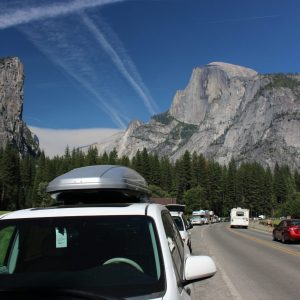
Yosemite National Park welcomes more than 4 million visitors each year, but those visits come at a steep environmental cost. National parks historian Michael Childers discusses the impact of the park’s decision to end its reservation system and what the record-breaking crowds expected this season could mean for the future of our national parks.
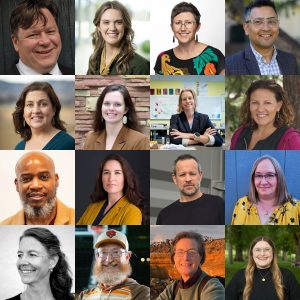
The College of Liberal Arts acknowledges the accomplishments and efforts of our outstanding faculty and staff for 2026.
Erin Jordan, an instructor in the Department of History, and Alan Van Orden, a professor in the Department of Chemistry, have been selected to receive funding this summer as part of a pilot program on open educational resources.
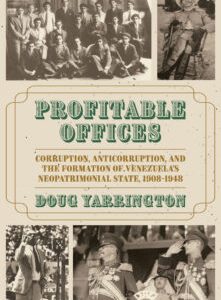
Doug Yarrington, an associate professor of History in the College of Liberal Arts recently published a sweeping history of Venezuela that explores the ways corruption and efforts to combat it shaped the national state during the years of its formation.
CSU History Instructor David Korostyshevsky discusses the origins of Dry January and humanity’s complex relationship with alcohol.
Andrea Duffy wrote The Nature of Empire: Modern Imperialism and the Roots of the Anthropocene, which traces the complex and conflicting ways that the environment transformed and was transformed by imperial ventures in five modern states: Britain, France, Russia, the Ottoman Empire, and Japan. It is a resource for anyone seeking to better understand the roots of today’s global environmental challenges.
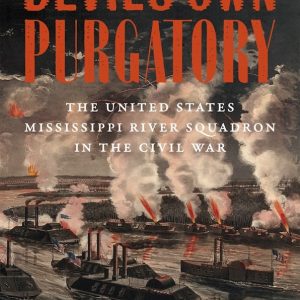
Robert Gudmestad, a professor of history and current chair of the Department of History in the College of Liberal Arts, recently published the first comprehensive story of the Mississippi River Squadron a Union naval fleet that patrolled the Mississippi river and its tributaries during the United States Civil War and played a significant role in securing both freedom for many enslaved people and a victory for the Union.
Beth Seymour, Jessica Jackson, and Alexander Pittman are receiving a Human Relations Award from the City of Fort Collins in Dec 2025.
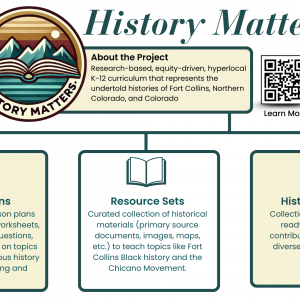
Colorado State University’s History Matters project is transforming how local history is taught in Colorado classrooms by using a hyperlocal, place-based focus, the project builds equity-driven curricula that center the under told histories of Fort Collins, Northern Colorado and the state of Colorado.